Considered Rants Beat Hot Takes: Making Room for Opinion on Your Own Site

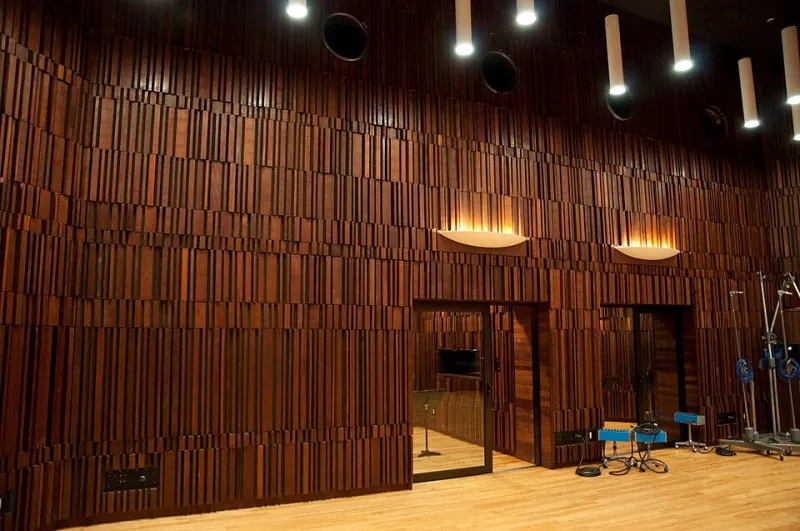
Photo: Sun 11, CC BY-SA 4.0, via Wikimedia Commons
There is a particular kind of creative website that looks immaculate and says nothing. The work is nicely photographed. The About page is tasteful. The contact form works. And nowhere on the site is there a single sentence that tells you what the person actually thinks about the industry they work in.
I am not against polish. I am against silence. A personal site is one of the few places left online where a creative can make an argument at their own pace, in their own layout, without a feed deciding that the punchiest sentence should be chopped into a quote card.
That is why the Opinion tab belongs on a site like this one. Not as a LinkedIn-style argument factory. Not as a rolling news service. As a place for considered rants: measured, specific, evidence-led criticism that shows how you think.
Why the opinion tab belongs on your site
When you publish on your own site, you control the context. You can write 900 words instead of 90. You can include a screenshot, a caveat, a link to the thing you are criticising, and a paragraph admitting where you might be wrong. You can be strong without being performative.
That matters for UK creatives in particular. We are often trained to be self-deprecating, to avoid seeming pushy, to soften every claim with 'just' or 'a bit'. There is charm in that. But there is also a cost. If every opinion is wrapped in three layers of politeness, prospective clients never learn what you stand for.
People who hire creatives are not just buying output. They are buying judgement. They want to know how you handle a difficult brief, what you notice, what you refuse to do and why. A portfolio shows what you have made. An opinion piece shows how you make decisions. That is useful information.
Hot take versus considered rant
A hot take is built for velocity. It is immediate, often binary, usually under-argued and designed to provoke a reaction before anyone has time to check the facts. It lives in the feed, does its little dance and disappears.
A considered rant is slower. It names a pattern, explains why the pattern matters, offers evidence and then makes room for the strongest objection. It is not neutral. It is not lukewarm. But it is fair enough to be trusted.
The difference is not tone. It is structure. A hot take says: 'This is terrible.' A considered rant says: 'This specific thing keeps happening, here is what I have seen, here is why it is a problem, and here is the best argument against me.'
That last part is what separates criticism from noise.
A repeatable format: provocation, evidence, counterpoint
If you want to publish opinions without turning every post into a shouting match, use the same skeleton each time.
One clear provocation. Make it specific enough to argue with. 'Most brand purpose pages are written for the company's ego, not the customer' is a provocation. 'Everything is rubbish now' is a mood. Keep the first sentence sharp, then spend the rest of the piece earning it.
Three pieces of evidence. These do not have to be academic. They can be screenshots, client conversations, a pattern across three projects, an industry report, a quote from a trade publication or your own experience. The test is simple: can a reader check it, or at least recognise it? Three pieces is enough. More becomes a dossier.
One useful counterpoint. Steelman the other side. If you cannot think of a serious objection, you probably have not thought hard enough about the topic. A counterpoint does not weaken your argument. It shows that you are not just collecting agreement.
A practical close. End with something the reader can do, notice or ask. 'Next time you write a purpose page, read it aloud and delete the first paragraph' is more useful than 'thoughts?'.
A simple template might look like this:
- Provocation: one sentence that names the problem.
- Evidence: three numbered examples, observations or links.
- Counterpoint: one paragraph beginning 'The strongest argument against me is...'.
- Close: one practical suggestion or question.
That format works for a 600-word post or a 1,200-word essay. It keeps you honest. It also makes the piece easier to write, because you are not starting from a blank page and a bad mood.
How to publish strong views without becoming a LinkedIn argument factory
First, write for a reader, not a feed. Imagine one person you respect reading it over a coffee. If the sentence only works as a notification, cut it.
Second, critique patterns, not people. Name the practice, the trend, the brief, the template, the industry habit. Naming individuals turns criticism into gossip and gossip ages badly.
Third, give yourself a cooling-off period. Write the rant. Leave it overnight. Publish the version that still makes sense on Tuesday morning. Rage is a useful first draft and a terrible final edit.
Fourth, do not host a permanent debate in the comments. You can have a contact link, a letters page or no response mechanism at all. You do not owe every passing stranger a live argument. If you do allow comments, publish a short policy and stick to it.
Fifth, correct yourself in public when you get something wrong. A considered rant is not a legal document. It is an argument. Arguments improve when the person making them can say, 'fair point, I missed that'.
Sixth, share the piece once and move on. The point is not to win the discourse. The point is to put a marker down on your own site so that people can see how you think when you are not pitching.
A small editorial rhythm for 2026
One considered rant a month is plenty. Two is ambitious. Five is a content mill with a personality disorder.
Keep a running note of things that irritate you in a useful way. The phrase you are tired of hearing. The process you have changed. The advice you wish you had ignored. The brief that keeps arriving with the same missing information. Those are your raw materials.
When one of them has three pieces of evidence and a genuine counterpoint, write it. Publish it. Link to it from your homepage or your newsletter. Then go back to the work.
A portfolio shows what you make. An opinion tab shows how you think. In 2026, that combination is the point.