The Portfolio Gap: Publishing Credible Work When the Contract Says Silence
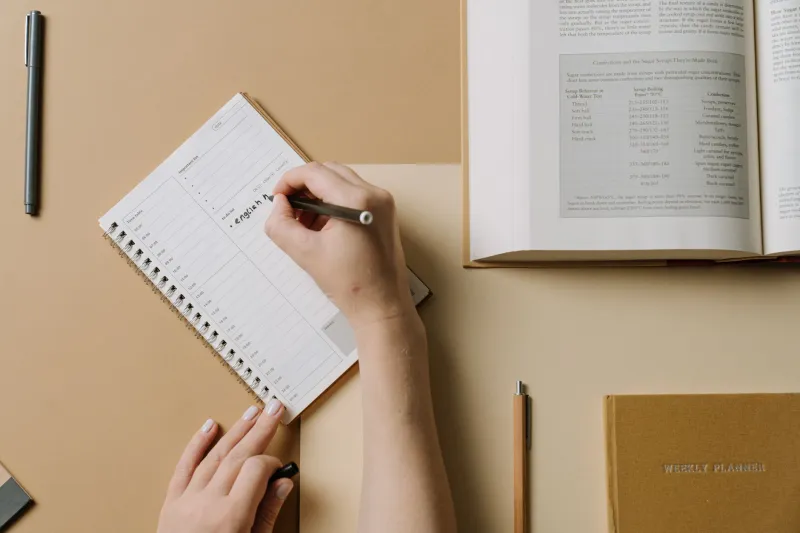
Photo: redacted case study documents on a desk with notebook and pen, UK creative studio, via images.squarespace-cdn.com
The portfolio gap is a familiar sight on UK creative sites. There's a tidy grid of side projects, a few public-sector pieces, maybe a self-initiated identity for a fictional coffee roaster. Then a hole where the good commercial work should be. The best project of the last two years is under an NDA, or the client is quiet, or you were a subcontractor and the agency owns the story.
That gap doesn't have to stay empty. You can publish a credible case study without naming the client, showing the logo or quoting anyone. It isn't a loophole. It's a discipline: describe the problem, the constraints and the decisions in enough detail that another client can recognise how you think, while leaving out anything that would identify the organisation or expose commercial detail.
I've used this approach on my own site and for clients who wanted a portfolio entry without a press release. Here's the practical version.
Start with the shape, not the story
An anonymised case study fails when it reads like a redacted version of a named one. 'A leading UK retailer' with half the sentence blacked out is not useful. Start with the shape of the problem instead: sector, size band, time frame, and the specific knot you were asked to untie.
For example: 'A membership body with around 40 staff needed to replace a renewal journey that had grown into a maze of manual emails. The brief was to make it easier for members to renew without adding headcount.' That's enough context to be interesting and not enough to identify anyone unless the sector is tiny.
Then set out the constraints. This is where anonymised work can be stronger than named work. Named case studies often skip the awkward bits. Anonymous ones can say: legacy CRM, a two-person marketing team, a board that needed convincing, a fixed launch date tied to an annual cycle. Constraints are portable. They help a reader see themselves in the project.
What actually goes in the blank
Use a simple four-part structure. It keeps you honest and makes the piece readable.
The brief. One short paragraph. What was the organisation trying to change? Avoid brand adjectives. 'They wanted to look more premium' is weaker than 'They wanted to justify a price increase without losing existing members.'
The constraints. Three or four bullets. Budget band, team size, technical limits, approval chain, regulatory context. Use ranges, not exact figures, unless the client is happy for you to publish them.
The decisions. This is the heart of it. Pick two or three forks in the road and explain what you chose and why. 'We kept the existing CRM and rebuilt the renewal emails around it, rather than proposing a new platform. It was less exciting, but it meant the team could launch before the annual renewal peak.' That tells a prospective client more about your judgement than a moodboard ever will.
The result. Use a measurable outcome with a caveat. 'Renewal completion rose by roughly 12% over the first cycle, though the client also changed the reminder schedule, so I wouldn't attribute all of it to the redesign.' That kind of honesty is rare and it builds trust. If you can't publish a number, describe the operational change: 'The team stopped handling duplicate renewal queries by hand.' Still a result.
Add a short 'what I'd do differently' line if you can. It makes the piece feel like a working note rather than a sales page.
Permission is a process, not a plea
Most clients say yes to an anonymised case study if you make the ask small and specific. The mistake is sending a vague message: 'Can I feature this project on my site?' That asks them to imagine the worst. Instead, send the draft and a precise list of what you want to include. Make the default a no, and make a yes easy.
Keep a record of who approved what. If a contact leaves, you want a paper trail. If the client asks for changes later, you want to know what was agreed. A simple spreadsheet is enough: project, client, approval status, date, approver, approved wording, and any expiry date. If you're unsure, ask again. It's less awkward than a takedown request.
The email that gets a yes
Here's a short version I've used. Adjust the details, attach the draft, and keep it plain.
Subject: Quick permission request — anonymised case study
Hi [Name],
I'd like to write a short case study about [project] for my portfolio. I won't name [Client] or include anything commercially sensitive. I'd like to cover the brief in general terms, the constraints we worked within, two or three decisions I made, and the result expressed as [range/percentage]. I've attached a draft.
If you're happy, reply 'approved' and I'll publish it. If not, tell me what to change — I'm happy to remove anything that makes you uncomfortable. If I don't hear back, I won't publish.
Thanks, Andrew
That last line matters. It means silence is not consent. It also reduces the pressure on a busy client, which makes a reply more likely.
The line you shouldn't cross
Anonymisation isn't a magic trick. If there are only three organisations in the UK that fit your description, you haven't anonymised anything. If the result, the timing and the sector together point to one client, ask for explicit permission or change the details enough to blur the trail. Don't use 'a well-known high-street brand' when everyone in your sector will know exactly who you mean. That's not discretion; it's a rumour with a case study attached.
Also be careful with logos, screenshots and quotes. A blurred logo is still a logo. A quote attributed to 'the marketing director' can be identifying in a small team. Strip personal data, avoid anything that could be commercially sensitive, and don't imply the client endorses you. If you're unsure, leave it out.
Why the gap is worth filling
In 2026, a portfolio is still judged on evidence. But evidence doesn't have to mean a client name in 48-point type. A well-written anonymised case study shows that you can handle complexity, work within constraints and make decisions that survive contact with reality. That's what a prospective client is actually buying.
The work doesn't have to be nameless to be credible. It just has to be honest. And a blank space where your best project should be is the least honest thing on the page.